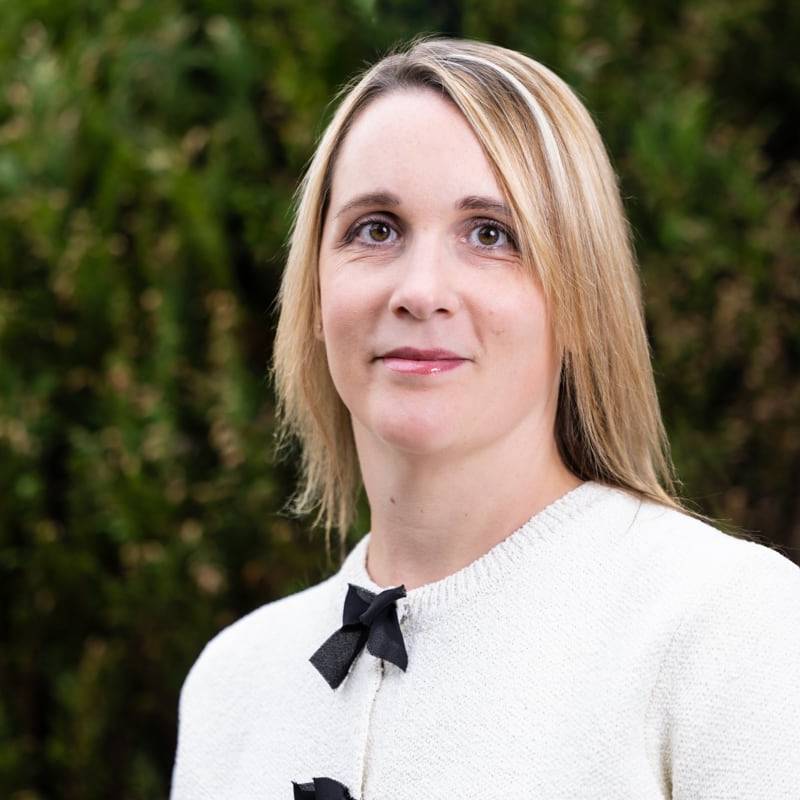
An interview with
Suzanne Gray, Director and Chartered Financial Planner
Markets rise and fall, but volatility is a normal part of investing. Financial planner Suzanne Gray explains why long-term thinking, clear planning and staying calm during uncertain periods could help investors avoid costly decisions and stay focused on their future goals.
When markets become unpredictable, emotions often take over. A sharp fall in pension values. Constant headlines about global uncertainty. Warnings of recession. It is easy to see why investors start to worry when markets swing up and down.
For financial planner Suzanne Gray, these conversations are becoming increasingly common. But while the headlines might feel dramatic, her message to clients is often reassuringly simple: volatility is normal.
“People are usually worried about the value of their portfolio falling,” she explains. “And they want to know whether it’s going to continue for the longer term or keep falling further.”
It is a natural reaction. Nobody enjoys seeing the value of their investments drop. But Suzanne says one of the biggest mistakes investors make is assuming that a market fall automatically means permanent losses.
“Clients sometimes think they’ve already lost their money,” she says. “But losses are only realised if investments are sold.”
That distinction matters. A temporary fall on paper is very different from cashing out investments during a downturn and locking those losses in.
It’s also why Suzanne spends so much time helping clients focus on the bigger picture rather than short-term noise.
A temporary fall on paper is very different from cashing out investments during a downturn and locking those losses in.
Why volatility is part of investing
Market volatility can sound alarming, but Suzanne believes it’s important to explain it in simple terms. “It just means how much prices go up and down over time,” she says. “If prices are moving only a little, that’s low volatility. If they’re swinging around a lot, that’s high volatility.”
And crucially, she adds, volatility is not unusual. “Market volatility is a natural part of investing.”
That point is easy to forget when negative headlines dominate the news cycle. But history repeatedly shows that markets move in cycles. Falls are often followed by recoveries, even if the timing is impossible to predict.
Suzanne says clients who’ve experienced previous periods of uncertainty often cope much better during the next one. “Many of our clients have now been through different periods of market volatility: the COVID market crash, the 2008 financial crisis and more recent inflation and interest rate shock,” she says. “They’ve seen that markets do recover after difficult periods, so they tend to feel more comfortable staying focused on their long-term plans.”
That long-term perspective is one reason relatively few of Suzanne’s clients panic when markets wobble. “In the current period of volatility, only around 5% of clients have contacted us,” she says. “Our clients trust us, and feel reassured to stay focused on their long-term plans.”
Suzanne puts a lot of that down to regular communication. Her team provides quarterly market updates and ongoing reviews to keep clients informed and reassured. And when clients do feel uneasy, Suzanne says being available for a conversation can often make all the difference.
Why emotional decisions can be costly
One of the biggest dangers during volatile periods is panic selling.
When markets fall sharply, investors often feel pressure to “do something”. But reacting emotionally can damage long-term returns. Selling investments after markets have already fallen means investors risk missing the eventual recovery.
Suzanne says helping clients avoid knee-jerk reactions is a key part of her role. “Probably the biggest reassurance we can offer is to focus on the long term and show how past downturns have recovered over time,” she says.
That approach becomes much easier when someone already has a clear financial plan in place.

How financial planning helps remove surprises
For Suzanne, a strong financial plan is not just about investment returns. It’s about helping clients feel prepared. “A financial plan can help reduce the likelihood of any major surprises,” she says.
That planning process includes understanding a client’s goals, timescales, attitude to risk and ability to absorb losses if markets fall.
Suzanne also stress-tests plans against difficult scenarios. “We can model things like market falls and ask what effect that would have on the financial plan,” she explains. “We also look at capacity for loss, which is how much someone can realistically afford to lose.”
This is where many investors misunderstand risk. Someone might feel emotionally nervous about market falls, but financially they could still afford to take investment risk because they are not relying heavily on that money.
“It really depends on the individual,” Suzanne says. “You can have one client who is extremely worried and another who isn’t fazed at all.”
Over time, advisers get to know which clients are likely to need a bit more reassurance during uncertain periods. “You start to recognise the clients who are more likely to pick up the phone when markets become volatile, and the ones who are happy to sit tight,” says Suzanne. “It’s about understanding each client as an individual and supporting them in the way that works best for them.”
Why younger investors often have an advantage
While volatility worries investors of all ages, Suzanne says younger investors are often in a stronger position than they realise.
“People in their 30s and 40s usually have more time to ride out volatility,” she says. That longer investment horizon gives markets more time to recover before retirement.
And for people investing monthly into pensions or ISAs, falling markets can actually work in their favour. “If they’re investing regularly, lower markets can be beneficial because they’re buying investments at lower prices,” Suzanne explains.
This is one of the most overlooked aspects of market downturns. While nobody enjoys seeing values fall, regular investors are effectively buying more units when prices are lower. That can strengthen long-term returns once markets recover.
Why retirement planning is more nuanced
For clients approaching retirement, the conversation becomes more detailed. Many people assume they should automatically reduce investment risk as retirement gets closer. But Suzanne says it depends entirely on how they plan to use their money.
“We wouldn’t necessarily reduce risk unless someone was definitely planning to buy an annuity,” she says.
For people using drawdown instead, keeping some exposure to investment growth remains important. “If they’re using drawdown, you still want equity returns to help support the withdrawals they’re taking and maintain the capital.”
That is why retirement planning needs to look beyond age alone. Guaranteed income sources, spending needs and future withdrawal plans all influence how much risk someone might still need to take.
The importance of an emergency fund
One practical safeguard Suzanne strongly believes in is holding cash reserves. “We always make sure clients have an emergency fund available,” she says. This becomes especially important during market downturns.
If somebody suddenly needs access to money while investments are temporarily down, cash reserves can prevent them from selling investments at the wrong time.
For retired clients using drawdown, Suzanne generally recommends around six months of accessible cash. During prolonged market falls, this flexibility can become extremely valuable.
“If markets were falling significantly over a long period, we might temporarily pause taking income from investments,” she explains. “Or we might reduce income temporarily to cover only essential spending. This helps preserve investment capital while giving markets time to recover.”
Staying focused on the bigger picture
Ultimately, Suzanne believes periods of volatility reinforce the importance of long-term thinking rather than undermine it. For anxious investors, her advice is not to obsess over daily market movements, but to revisit the original plan.
“It can help to go back to your goals,” she says. “Revisit your time horizon, sense-check your risk tolerance, and keep focused on the long term.”
That perspective can be difficult when headlines feel relentless. But history suggests markets have consistently rewarded patience over panic.
And for Suzanne, that is exactly why good financial advice matters most during uncertain times. “It is not about predicting every market movement. It is about helping people stay calm enough to avoid damaging long-term decisions.”
You can read more about Suzanne’s background and approach to financial planning in her previous profile article: The importance of long-term advice and trusted client relationships.
Get in touch
If Suzanne’s insights have resonated with you, and you’re feeling uncertain about investing during periods of market volatility, speaking to a financial planner could help you regain perspective and confidence. Whether you’re building long-term wealth, approaching retirement, or already drawing an income from your investments, having a clear financial plan in place could help you stay focused when markets feel unsettled.
The Amber River team work with you to understand where you are today and put a plan in place that reflects your goals, your timescales, and your attitude to risk.
To talk to one of the team, or to arrange an appointment to discuss how we could help you, please call 0800 915 0000, or alternatively use our contact form here.
This is important:
We’ve written this article purely for general educational purposes. It’s not investment advice, or an invitation or inducement for you to invest your money. The information in the article can go out of date over time too – thanks to law and tax rule changes.
Your situation will be unique to you, and that’s why you should always seek personalised advice from a qualified financial adviser before taking any action.